Tribal Energy & Infrastructure
Tribal Nations face a different set of challenges in energy development — sovereign land considerations, federal funding complexity, limited in-house technical capacity, and outside developers who don't always have community interests at heart. Brighter Nations was built, in part, to close that gap.
With direct experience supporting more than ten Tribal Nations across energy feasibility, utility planning, federal grant applications, and infrastructure development, we understand how to move these projects forward — on your timeline, within your governance structure, and toward your long-term goals.
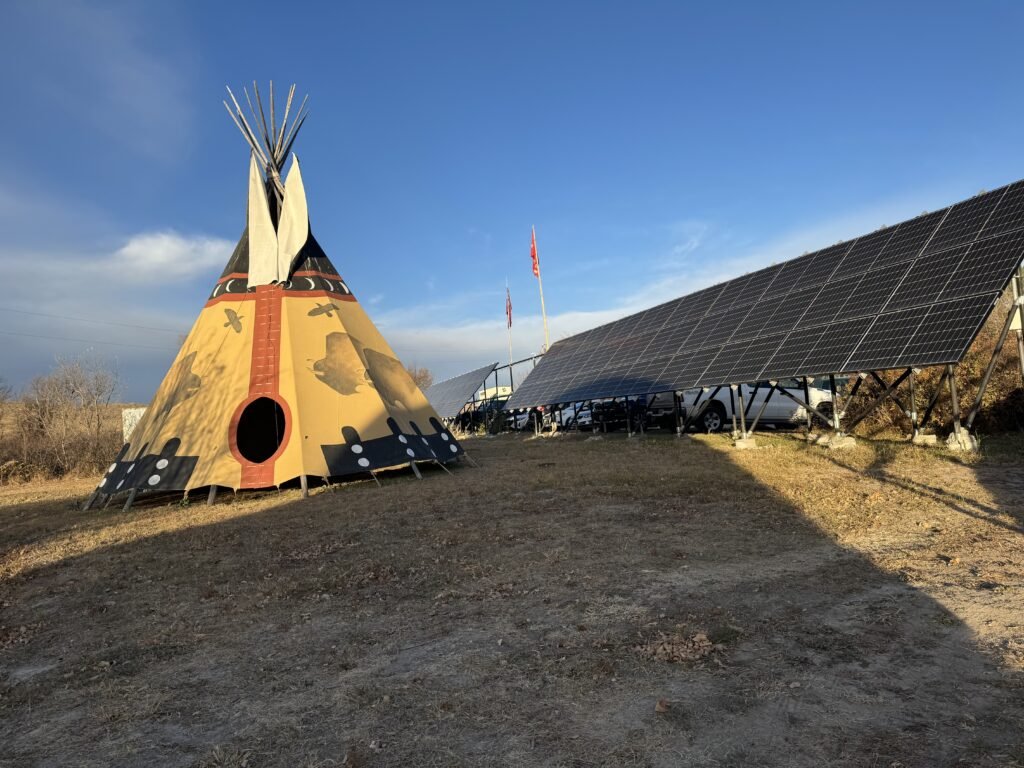
What we do:
Energy Feasibility & Resource Assessment — Solar, wind, storage, and microgrid analysis to determine what makes sense for your land and load profile
Tribal Utility Authority (TUA) Planning — Organizational structure, regulatory framework, and roadmap development for tribes pursuing energy self-determination
Federal Funding Strategy & Grant Support — DOE, BIA, HUD, USDA, and IRA funding — identifying opportunities, building applications, and managing the process
Project Development Leadership — Site control, interconnection, permitting, and EPC coordination for tribally-owned projects
Infrastructure Planning — Broadband, water, and community infrastructure feasibility and planning
Community Engagement & Capacity Building — Supporting tribal staff and leadership through every stage of development
Why it matters:
Energy sovereignty isn't just about generating power — it's about economic independence, job creation, and controlling your community's future. That's the work we show up for.
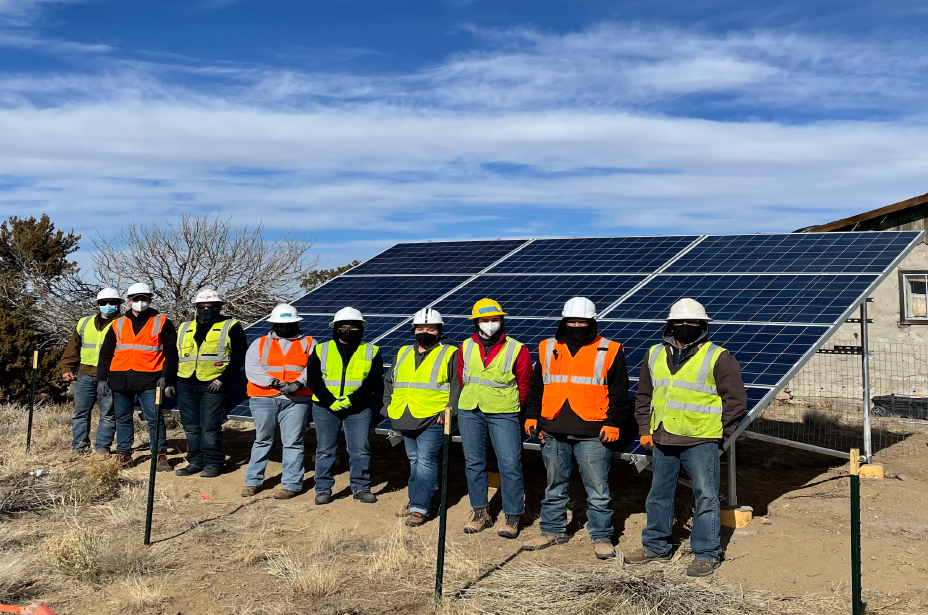
Our team has supported energy and infrastructure initiatives for Tribal Nations including Taos Pueblo, Nambe Pueblo, Spirit Lake Nation, Circle Native Community, Sitka Tribe of Alaska, Mentasta Traditional Council, Middletown Rancheria, Elk Valley Rancheria, Pawnee Nation, Navajo Nation and others across the Southwest, Northern Plains, and Pacific Northwest.